USD
 KES - Kenya
 UGX - Uganda
 TZS - Tanzania
 RWF - Rwanda
 NGN - Nigeria
 ZAR - South Africa
 USD - Zimbabwe
 GHS - Ghana
 ETB - Ethiopia
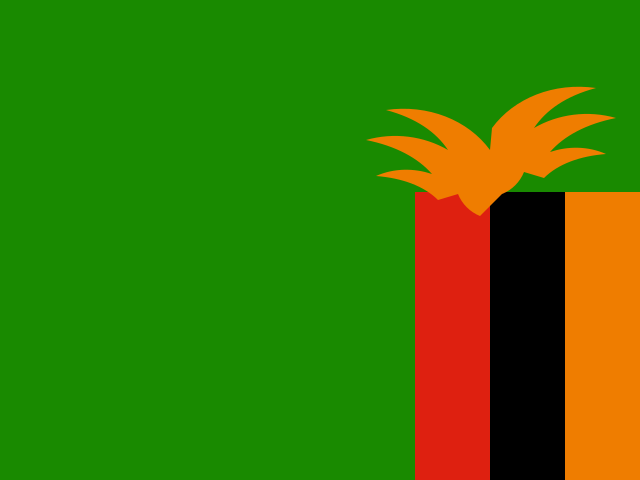 ZMW - Zambia

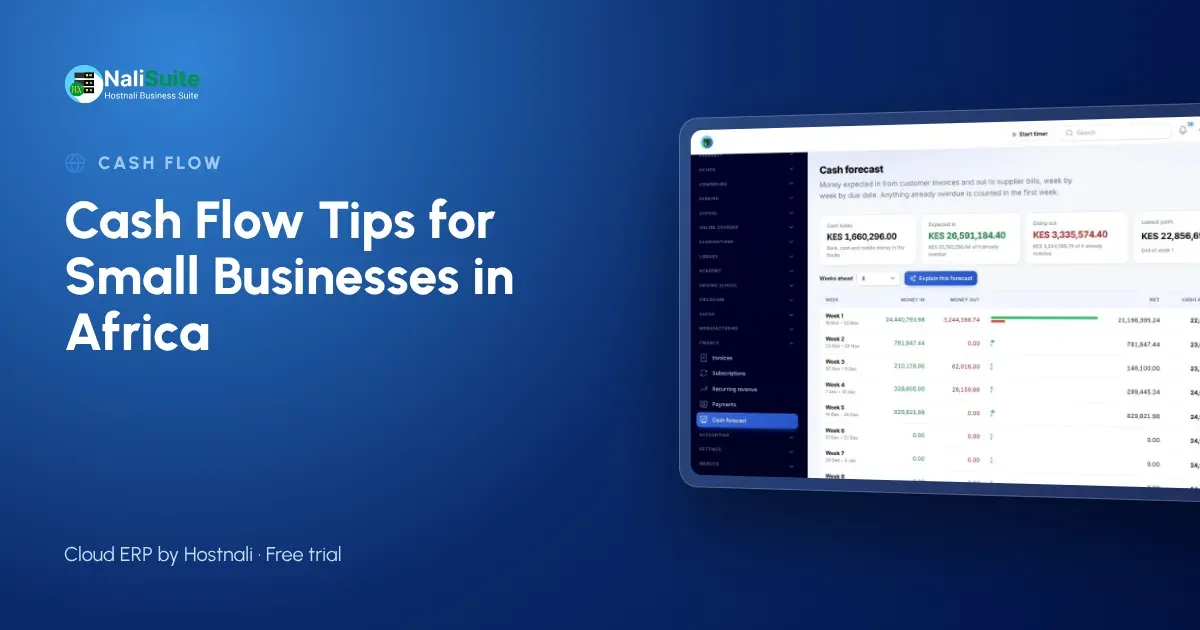
Across Africa, small businesses share one problem more than any other: the money arrives later than the bills. Whether you run a shop in Kampala, a design studio in Accra or a distributor in Lusaka, managing the timing of cash in and cash out is what keeps the doors open.
The cash conversion cycle, simply put
Count the days from paying your supplier to being paid by your customer. Stock sits on the shelf, then sells on credit, then the invoice waits to be paid. Every day you cut from that cycle is cash freed up for the business.
Shorten the cycle from both ends
Get paid sooner.
- Send the invoice the day you deliver.
- Include a pay link so customers can pay by mobile money, card or bank transfer from the invoice itself.
- Remind customers on the due date, politely and automatically.
Pay out later, without damaging relationships.
- Agree supplier terms in writing.
- Pay on the due date, not before, unless there is a discount for paying early.
Hold less stock.
- Reorder often in smaller quantities for fast sellers.
- Clear slow movers instead of buying more.
Plan for the lumpy months
School fees, harvest seasons, holidays and year-end all affect cash differently across the continent. Look back at last year’s bank statements, mark the months that were tight and plan ahead for them now.
Separate the money that is not yours
VAT, payroll taxes and pension contributions you collect belong to the tax authority. Keep them in a separate account so they are ready on the due date.
Make the numbers visible
A weekly check of cash, debtors and creditors is the simplest cash flow tool there is. Our guide to reconciling payments across Africa explains how to keep those figures accurate.
Growing without running dry
Growth is when cash flow problems hit hardest, because new orders need stock, staff and credit before they pay back. Before taking on a large contract or opening a new branch, run it through your forecast: when will you pay out, when will you be paid, and what is the lowest your balance reaches in between? If the answer is below zero, arrange deposits, staged payments or finance before you commit.
A second example: a regional software reseller
A reseller of business software serves clients in four countries and is paid in local currencies and US dollars. Cash used to pile up in currencies the business did not need, while US dollar supplier bills went unpaid. It now invoices in the currency of its costs where customers accept it, converts local-currency receipts promptly, and reviews balances per currency every week alongside its forecast.
A checklist for cross-border businesses
| Check | Why |
|---|---|
| Balances per currency reviewed weekly | Avoid holding the wrong currency when bills are due |
| Invoices in the currency of your costs where possible | Less exchange risk |
| Local taxes set aside per country | Each tax authority is paid on time |
| Deposits on large orders | Stock and staff are funded upfront |
| One forecast per country, combined monthly | Problems in one market show early |
Start this week
Pick one action from each group and do it before Friday:
- Get paid sooner: add a pay link to every open invoice and resend them.
- Pay out smarter: list supplier bills due in the next month and check none are being paid early without reason.
- Hold less: identify the ten slowest-moving products and stop reordering them.
- Plan ahead: write a 13-week forecast with today’s balance and the receipts and payments you know about.
How NaliSuite fits
NaliSuite keeps invoices, payments, stock and bills in one system across currencies, so the numbers for your forecast are already in one place. Inventory highlights slow stock and Accounting shows balances per account.
Frequently asked questions
Is cash flow the same as profit?
No. Profit is earned on paper; cash flow is the timing of money in and out. A profitable business can still run out of cash.
How far ahead should I forecast?
Thirteen weeks is a practical horizon for most small businesses.
Can recurring billing help?
Yes. Subscriptions bring steady monthly income from retainers, rent or memberships.
Should I forecast each country separately?
Yes. A forecast per country shows where cash is tight, and a combined view shows the whole business.
How do I reduce currency risk?
Match the currency of your income to the currency of your main costs where you can, and convert promptly.
What is a sensible reserve for a small business?
Many owners aim for at least one to three months of fixed costs, built up gradually from strong months.
Does NaliSuite work in several currencies?
Yes. Invoices and accounts can be kept in more than one currency, with exchange differences recorded.
Try NaliSuite
NaliSuite puts invoicing, payments, stock and accounting in one place from $2.10 a month. See the plans.