USD
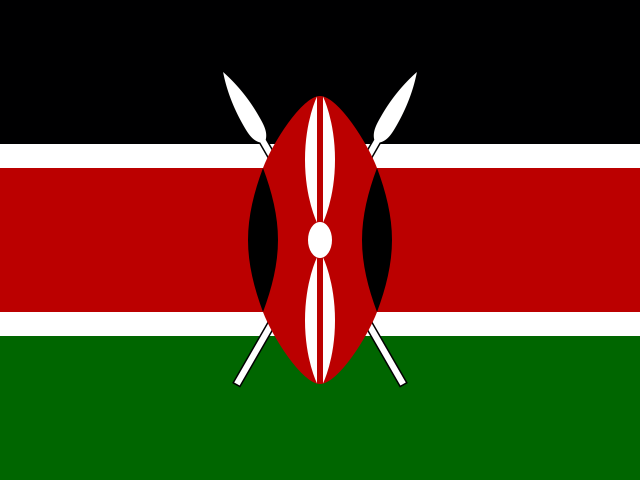 KES - Kenya
 UGX - Uganda
 TZS - Tanzania
 RWF - Rwanda
 NGN - Nigeria
 ZAR - South Africa
 USD - Zimbabwe
 GHS - Ghana
 ETB - Ethiopia
 ZMW - Zambia

More African companies now hire beyond their home market: a sales lead in Accra for a Nairobi company, a support team in Kigali serving East Africa, an operations manager in Lusaka for a South African group. Onboarding gets harder with every border. Each country has its own tax number, its own contributions, its own data protection law, and the new person may never visit head office.
This guide sets out an onboarding approach that works in one country and scales to several.
One process, local details
The mistake regional companies make is either forcing one country’s process on everyone, or letting every office invent its own. The better pattern is one shared process with a local layer.
Shared across every country
- The welcome plan for the first day, week and month
- How leave is requested and approved
- The tools and systems everyone uses
- The probation review at about 30 days and at the end of probation
Local to each country
- The contract template, reviewed for local law
- The tax and social security numbers payroll needs
- Payroll deductions and filing dates
- The data protection rules that apply to staff records
The local records list
Every country needs a version of the same list. A few examples:
| Country | Tax ID | Social security or pension |
|---|---|---|
| Kenya | KRA PIN | NSSF, SHIF |
| Nigeria | TIN | Pension PFA and PIN, NHF |
| Ghana | TIN | SSNIT |
| South Africa | SARS tax reference | UIF |
| Uganda | TIN | NSSF |
| Tanzania | TIN | NSSF |
| Rwanda | TIN | RSSB |
Plus, everywhere: a signed contract, national ID or passport, work permit where needed, bank or mobile money details, and an emergency contact. Store them on the employee’s record in the HR app with the scans in Documents.
Payroll in more than one country
NaliSuite’s payroll app includes statutory payroll for Kenya, Nigeria, Ghana, South Africa, Uganda, Tanzania and Rwanda: PAYE and the main contributions worked out, with the monthly schedules. In other countries you set up your own earnings and deductions in the payroll settings, with the rates your local accountant confirms.
If each country is its own legal entity, keep each one as a separate company with its own books and payroll. With multi-company set-up, a regional HR lead sees every company from one login, while each entity keeps its own taxes and documents.
Wherever you hire, check current rules with the local tax authority before the first pay run. Rates and bands change, and filing dates differ: some countries want payroll taxes by the 7th of the following month, others by the 9th, 10th or 15th.
When the new hire is remote
A remote first week needs more structure than an office one, not less.
- Ship the laptop and phone before the start date, so day one is not spent waiting.
- Hold a video welcome with the team on the first morning.
- Set up the employee app on the first day: check-in, leave balance, expense claims and payslips through employee self-service.
- Add the person to the right Team chat groups for their team and region.
- Book a daily 15-minute call for the first week and a 30-day review.
Example: a regional distributor’s new country manager
A distributor of solar equipment based in Nairobi opened an office in Lusaka and hired a country manager and two sales reps there. The Kenyan team ran onboarding from Nairobi.
The new Zambian company was set up as its own entity in NaliSuite. Each hire went into the HR app, which started an onboarding checklist for them automatically: contract reviewed by a Lusaka lawyer, NRC and TPIN on file, laptop delivered, first customer visits planned. Because Zambia has no statutory pack, the Lusaka accountant entered the deductions in the payroll settings. The country manager approves her reps’ leave from her phone, and head office sees attendance and payroll for both companies.
Staff data across borders
Most African countries now have a data protection law, such as Kenya’s Data Protection Act, Nigeria’s NDPA and South Africa’s POPIA. If you move staff data between countries, check how each law treats it. As a minimum, collect only what you need, keep it in one secure system and limit access. NaliSuite shows each user only what their role allows.
Offboarding is part of the same process
When someone leaves a regional team, the risks are the mirror of onboarding: a laptop in another country, access left open, a final payslip with the wrong deductions. The HR app starts an offboarding checklist automatically when someone leaves. Use it to collect equipment, close accounts and agree the final pay with the local accountant, in whichever country the person worked.
Frequently asked questions
Which countries have statutory payroll in NaliSuite?
Kenya, Nigeria, Ghana, South Africa, Uganda, Tanzania and Rwanda. Elsewhere you set your own deductions.
Can one HR person manage staff in several countries?
Yes. With several companies set up, one login can see each company, with each keeping its own payroll and documents.
Do remote staff need anything installed?
Only the employee app, which installs from the browser on any smartphone.
Try NaliSuite
Run HR, onboarding and payroll across your African offices from one system, from $2.10 a month after a free trial. See the plans.